
Tubular Heating Elements for Air Liquid and Surface Heating
Custom Round & Pressed Elements for Air, Liquid and Surface Heating — Engineered in 316SS, Incoloy, and Copper to Match Your Medium.

Tubular Heater Product Configurations
Explore Our Range of Efficient, Customizable Heaters for Every Industrial Application
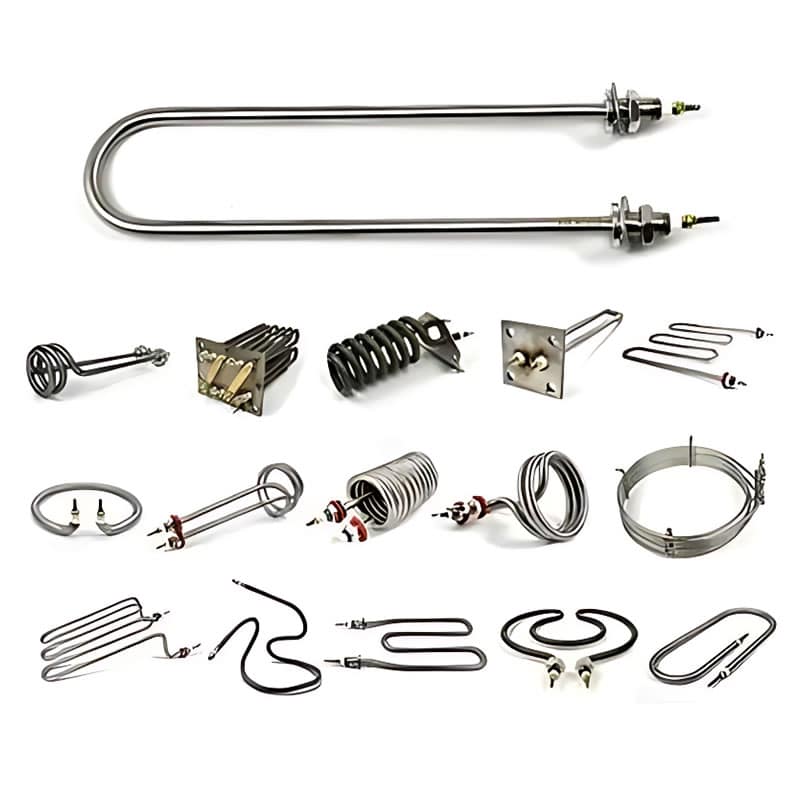
Round Tubular Elements (Straight or Formed)
Straight or formed tubular elements for air, liquid, and surface heating.
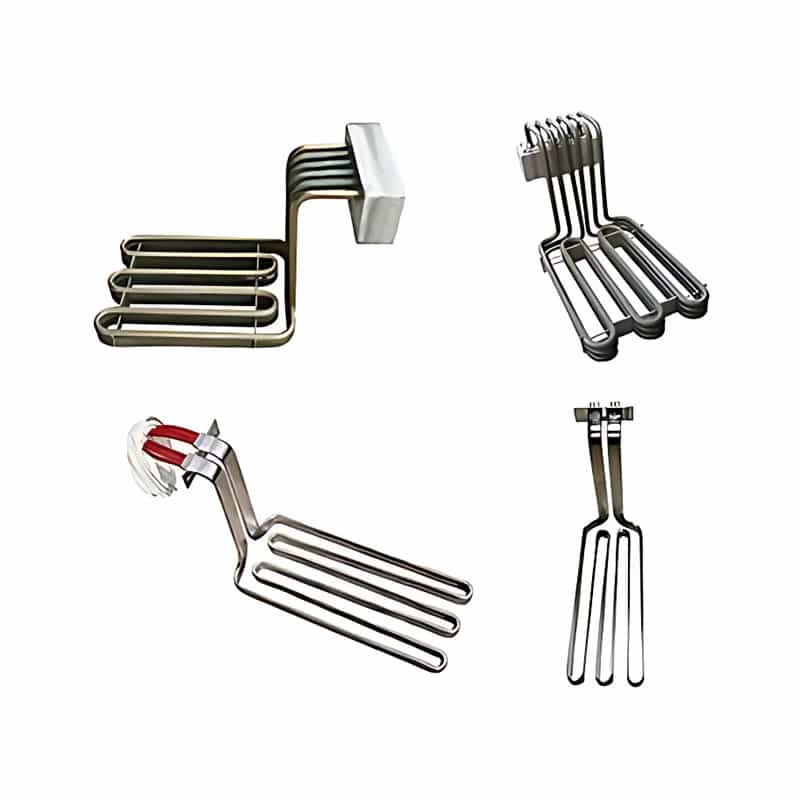
Pressed / Flat-Blade Tubular Elements
Flattened tubular elements that provide more surface area per unit length.
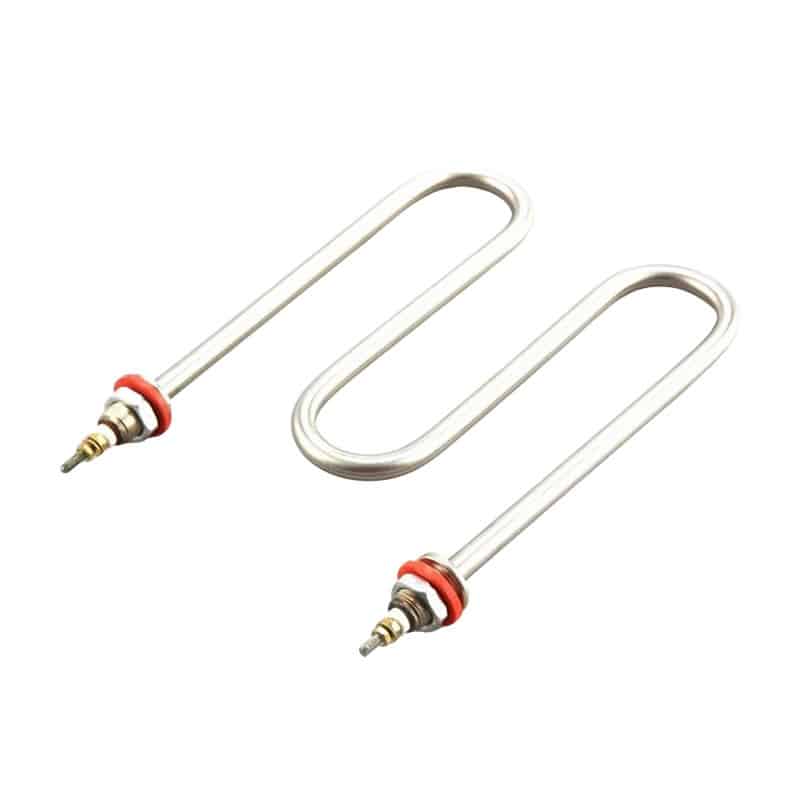
Finned Tubular Elements
Tubular elements with integral fins to boost convective air heat transfer.
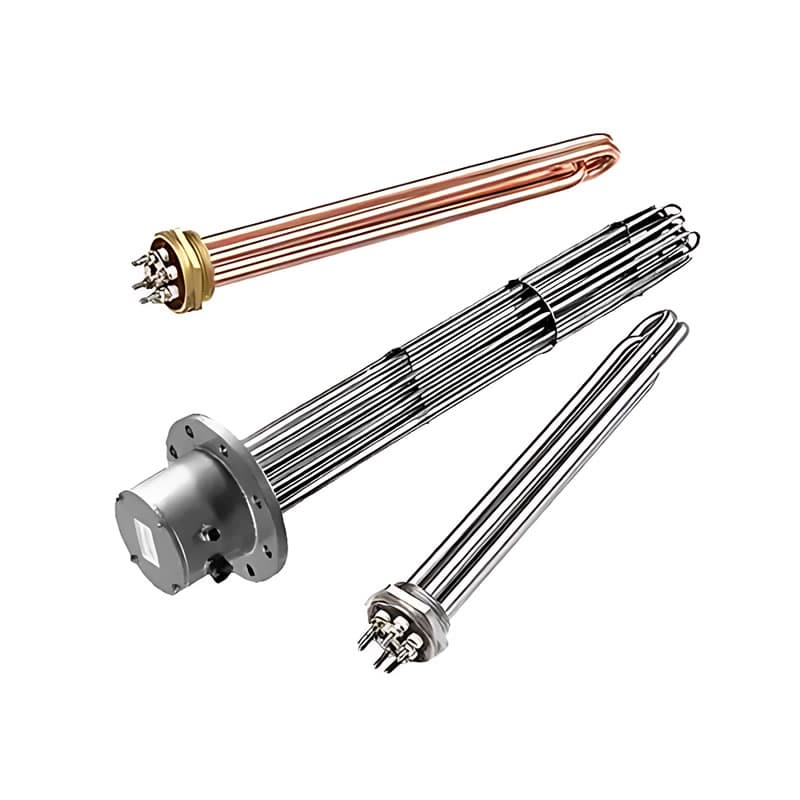
Immersion Tubular Assemblies
Tubular elements configured for liquid immersion applications.
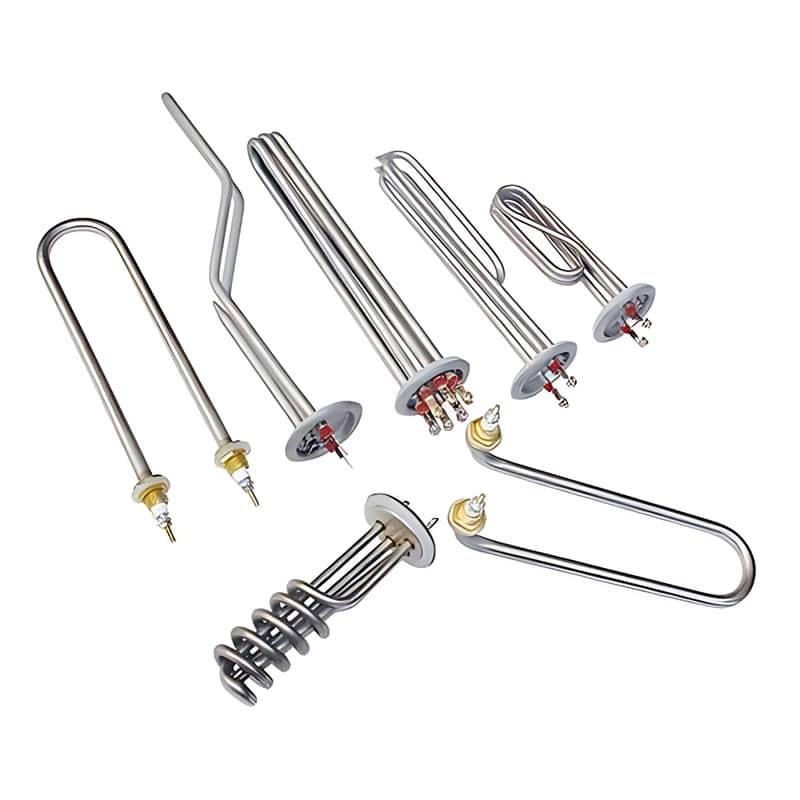
Screw Plug Tubular Heaters
Threaded tubular heaters for quick installation in tanks and vessels.
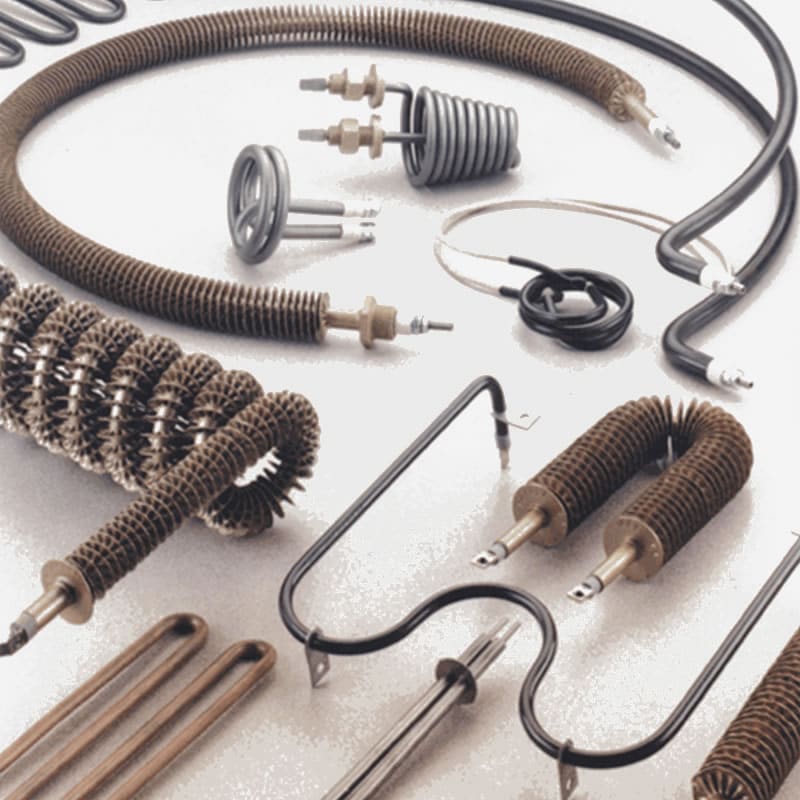
Custom Tubular Heating Elements
Customized to match specific power, size, and material requirements.
Typical Tubular Heater Specifications
Standard Darwinheat tubular elements cover industry-common ranges:
- Diameters: 0.260″, 0.315″, 0.375″, 0.430″, 0.475″, 0.625″
- Sheath Materials: Copper, steel, 304/316/321 stainless, Incoloy® 800/840
- Voltages: Up to 600 V (dependent on diameter and application)
- Termination Styles: Pins, screw/flag/spade, bulkhead fittings, flexible leads, moisture seals
Why Choose Darwinheat Tubular Heaters
Darwinheat tubular heaters combine robust construction with flexible engineering options to support safe, efficient heating in diverse industrial environments.
Higher power in less space
Our pressed/flat tubular elements deliver increased surface area, enabling higher output in shorter lengths while maintaining lower sheath temperatures for improved reliability.
Engineered watt density
Darwinheat sizes watt density for the heat transfer regime and flow conditions (e.g., still air vs. airflow), reducing hotspots and extending element life.
Manufacturability & repeatability
Our swaged, MgO-compacted construction delivers high dielectric strength, vibration resistance, and excellent heat transfer consistency across production runs.
Integration-ready
We support integration with sensors (TC/RTD), fittings (NPT/BSPP), brackets, and harnessing so heaters drop directly into your build.
Proven industrial reliability
Darwinheat tubular heaters are engineered to perform reliably in harsh service conditions, backed by consistent quality control and manufacturing expertise.
Material science matched to your medium
We specify sheath alloys and watt density based on your heating medium—such as Incoloy for high-temperature air, 316SS for water, and copper for potable water—to optimize performance and longevity.
Precision Engineered Tubular Heater Production Process
Darwinheat tubular heating elements are manufactured using controlled, repeatable processes to ensure consistent performance, reliability, and long service life across a wide range of industrial applications.
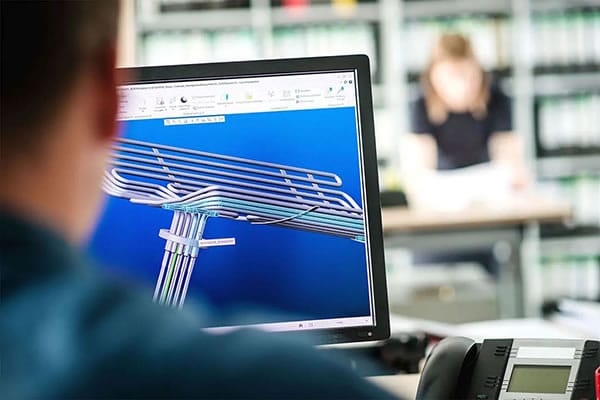
1. Product development 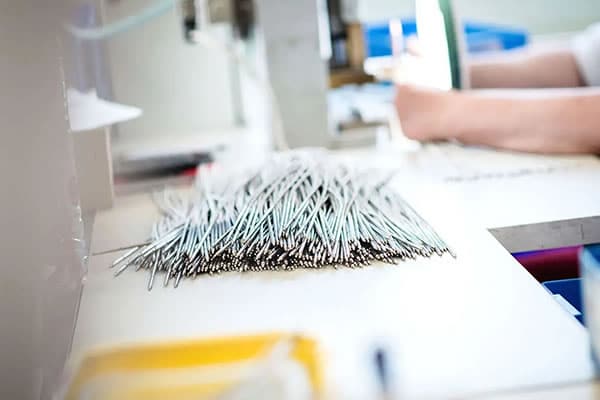
2. Winding room and cutting 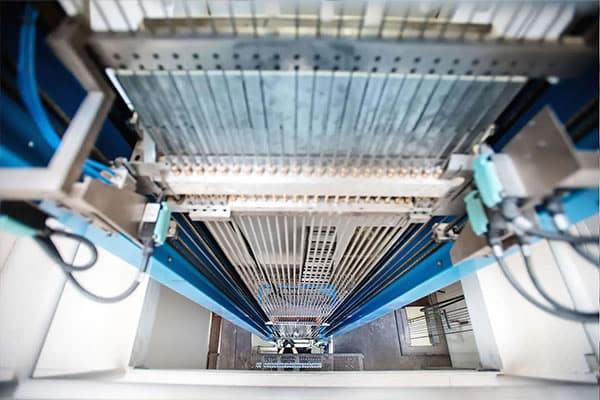
3. Filling system 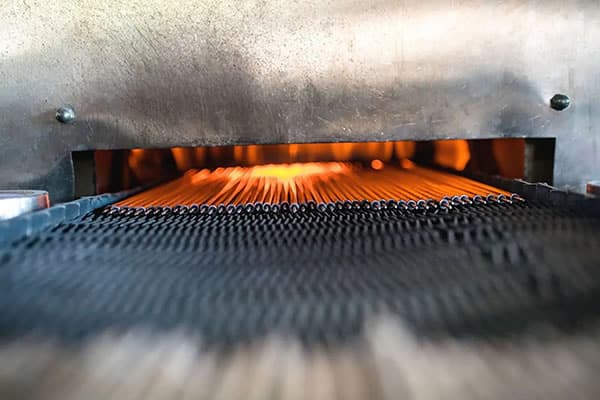
4. Rolling,annealing and stretching 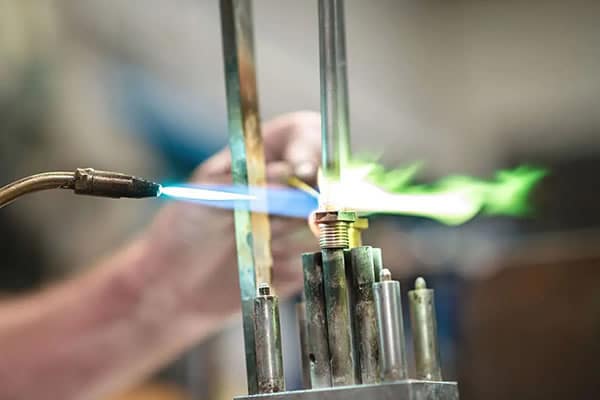
5. Joining processes 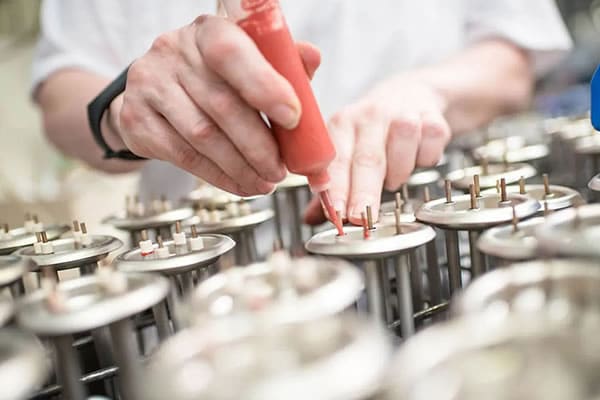
6. Sealing 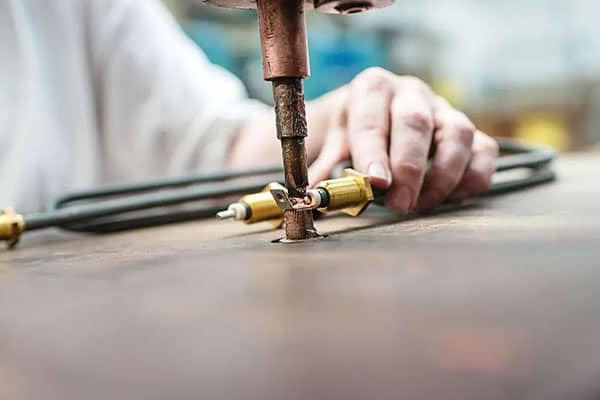
7. Final assembly 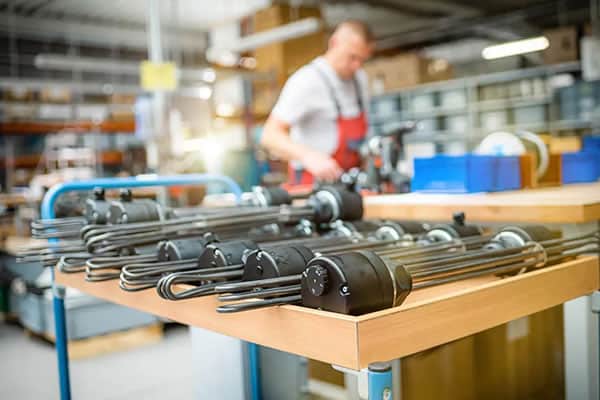
8. Final assembly 
9. Packaging and shipment


Customization Menu (Build-To-Spec)
Darwinheat offers a flexible customization menu to build tubular heaters optimized for your specific application and installation requirements.

Geometry
Straight, multi-bend, serpentine, spiral, ring/oval, pressed (flat-blade), or finned shapes.

Power & Voltage
Specify wattage and voltage; we design the coil and cold sections to achieve the target watt density.

Terminations
Pins, spade/flag/screw terminals, threaded studs, bulkhead fittings, flexible leads, or armored leads.

Seals & Passivation
Epoxy, silicone, hermetic glass/ceramic seals, or stainless armor as needed.

Forming Guidelines
We maintain conservative bend radii and avoid bends near cold-end junctions to protect insulation integrity.


Material Selection (What to Use & When)
Darwinheat recommends sheath materials based on maximum safe sheath temperature in air and typical applications. Final material choice should consider the specific medium, chemistry, flow conditions, and operating requirements.
| Sheath Material | Max Sheath Temp in Air | Where It Shines |
| Copper | ~350°F (175°C) | Clean, potable water and general liquid immersion, economical choice |
| Steel | ~750°F (400°C) | Oils, glycols, and non-corrosive liquids |
| 304 / 316 Stainless Steel | ~1200°F (650°C) | Corrosion-resistant fluids, deionized water, broader process use |
| Incoloy® 800 / 840 | ~1600°F (870°C) | High-temperature air, corrosive environments, elevated temp processes |
| Inconel® 600 | ~1800°F (980°C) | Aggressive media and extreme temperature applications |
Source data for limits & use-cases: Durex published guidelines.
Finned air heating note: Steel-finned elements operate up to ~750°F sheath; stainless-finned up to 1200°F sheath (UL limit often 1000°F).
Specifications by Type (Typical Build Ranges)
Values below are typical industry ranges to help you specify. Your Darwinheat design may exceed or differ based on validation.
| Type | Common Diameters | Typical Sheaths | Typical Watt Density Guidance | Where It’s Used |
| Round Tubular (straight/formed) | 0.260–0.625″ | Copper, Steel, 304/316 SS, Incoloy 800/840 | Liquids: 30–90 W/in² (clean water), Oils: 6–23 W/in², Air: 10–30 W/in² depending on flow | Immersion, ovens, platens, tanks. |
| Pressed / Flat-Blade | Formed from round (e.g., .375″ class) | 304/316 SS, Incoloy | Higher power in shorter length due to increased surface area; lowers film temp | Ovens, ducts, bake systems, compact tooling. |
| Finned Tubular | Typically .315–.475″ core with fins | Steel (to ~750°F sheath), SS fins (to ~1200°F sheath; often UL 1000°F) | Air systems sized by airflow/∆T; watt density set to avoid fin scorching | Duct heaters, forced-air tunnels, space heating. |
| Immersion Assemblies (screw-plug/flange/OTS) | 0.260–0.496″+ elements; assembly-specific | Copper, 304/316 SS, Incoloy | Follow liquid guidance; keep surface loading within medium limits | Kettles, CIP tanks, oils, process water. |
Frequently Asked Questions
Request a Quote or Engineering Support
Get fast, application-specific recommendations and pricing from our heating engineers.