Why Choosing Between Finned and Tubular Heaters Determines Your System’s Lifespan
When designing an industrial heating system, the most critical decision often comes down to a fundamental choice: Should you use a standard Tubular Heater or a Finned Tubular Heater? While both share the same core DNA—a metal sheath, MgO insulation, and a resistance wire—they transfer heat to their environment in completely different ways.
1. Surface Area Expansion Is the Primary Technical Distinction
The most immediate difference is physical, but the implications are purely thermodynamic.
- Standard Tubular Heaters: These feature a smooth surface. Because their heat density is concentrated on a smaller surface area, they are ideal for conduction (contact heating) or immersion in liquids and solids.
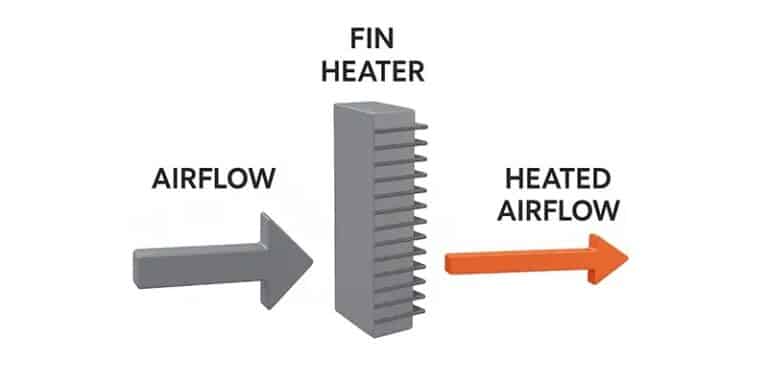
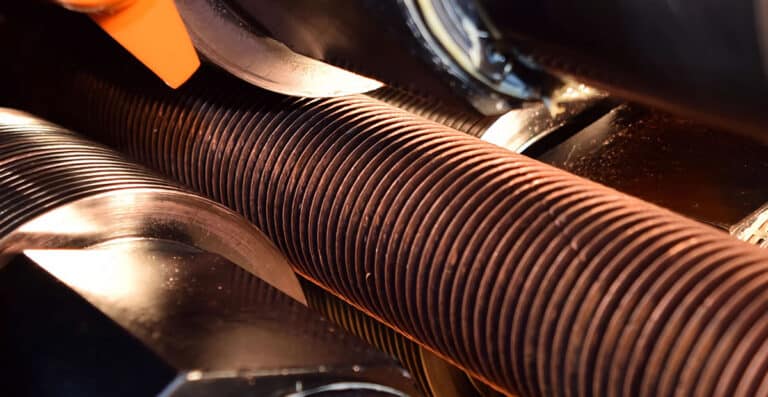
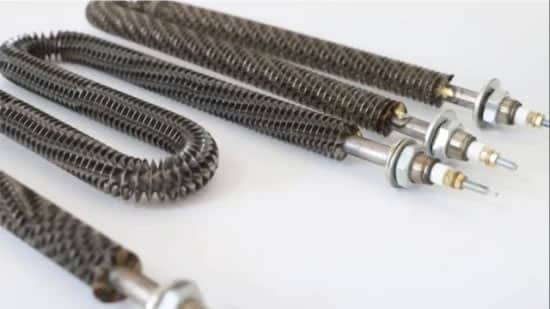
- Finned Tubular Heaters: These have a continuous metal fin mechanically overwound or brazed onto the tube. This increases the surface area by 200% to 300%. In air heating, this larger area allows heat to escape the sheath much faster, keeping the element significantly cooler.
2. Air Heating Applications Require Fins to Prevent Element Burnout
Air is a poor conductor of heat. If you use a standard smooth tube in a forced-convection duct, the results are often catastrophic for the equipment:
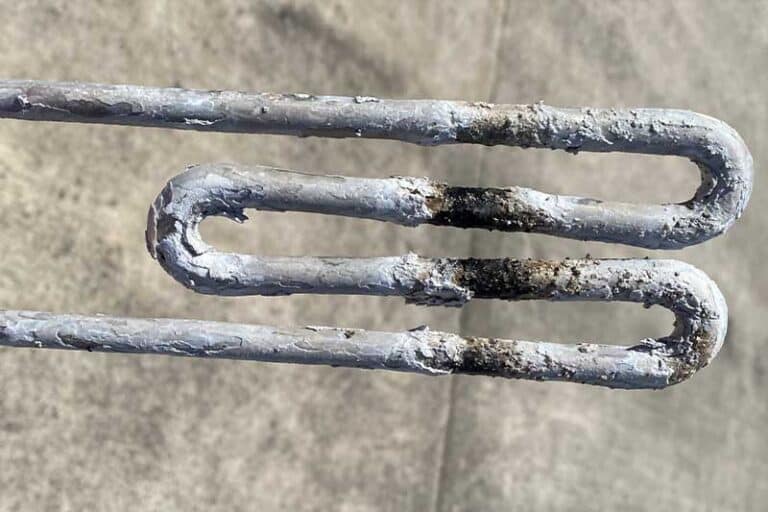
- Sheath Overheating: Because air cannot strip heat away fast enough, the tube’s surface temperature skyrockets.
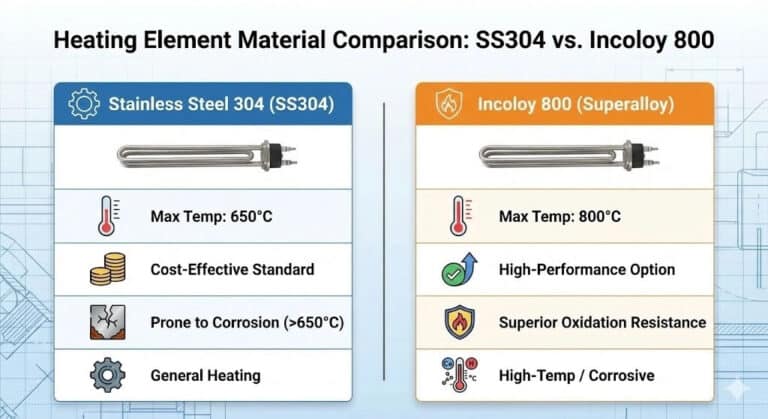
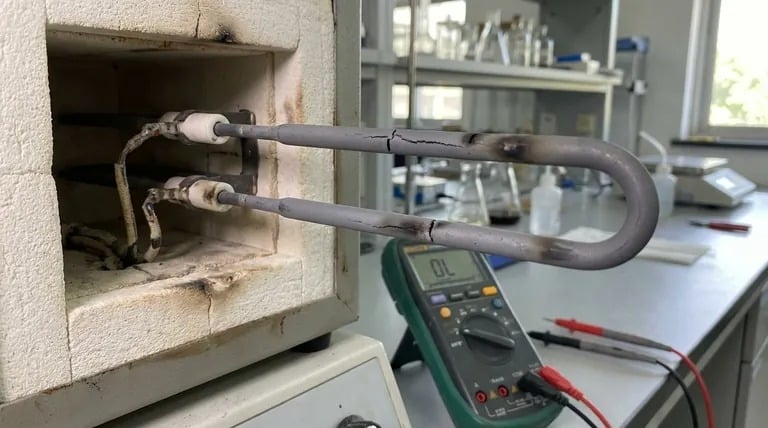
- Premature Failure: Sustained high temperatures lead to rapid oxidation of the stainless steel or burnout of the internal resistance wire.
- Energy Inefficiency: The system must work harder and consume more power to reach the target air temperature.
The Finned Advantage: By expanding the “thermal footprint,” fins enable higher wattage in shorter lengths while maintaining a safe operating temperature.
3. Compare Technical Specifications to Make the Right Choice
| Feature | Standard Tubular Heater | Finned Tubular Heater |
| Primary Application | Liquid immersion, die casting, radiant | Forced air heating, load banks, ovens |
| Heat Transfer Medium | Water, oil, metal blocks, chemicals | Moving air, gases, nitrogen |
| Mechanical Benefit | Easier to bend into complex 3D shapes | Maximum heat dissipation in compact ducts |
| Maintenance Need | Easy to clean surface scale | Requires clean air to prevent fin clogging |
4. Understanding When You Should Avoid Using Finned Elements
Despite their air efficiency, Standard Tubular Heaters remain the superior choice in specific scenarios:
- Liquid Immersion: Never use fins in liquids. Deposits and scale will trap heat between the fins, causing the tube to overheat and rupture almost instantly.
- Extremely Tight Bend Radii: Fins add rigidity. If your application requires multiple tight bends, a smooth tube is much easier to manipulate without damaging the internal structure.
- High-Dust Environments: If your airflow contains heavy fibers or sticky particles, they will clog the fins, insulate the heater, and cause it to fail.
5. DarwinHeat Provides the Engineering Expertise You Need
At DarwinHeat, we don’t just sell components; we provide thermal solutions backed by rigorous data.
If you are designing a new duct heater or industrial oven, our team will calculate the exact Air Velocity and Delta T requirements for your project. We ensure that the fin pitch and material are perfectly matched to your environment, guaranteeing that your equipment operates at peak efficiency with the longest possible service life.
Do You Need a Custom Thermal Design for Your Next Project?
Whether you require custom-formed finned heaters or high-performance immersion elements, our technical experts are ready to provide CAD designs and competitive quotations.